Describe
Tell Chakra where the problem appears, when it started and what changes it.
Tokha plumber · Direct booking
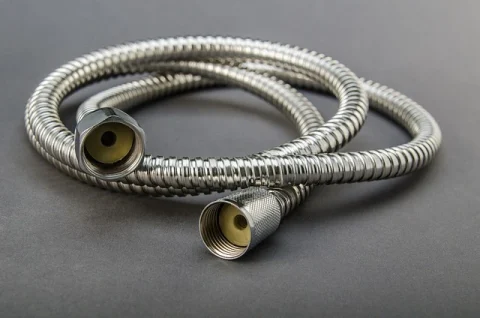
Flexible hoses connect many everyday fixtures, including basins, cisterns, showers and appliances. Because they bend and sit under pressure, cracks, corrosion or loose ends can produce a sudden leak. Chakra provides hose inspection and replacement in Tokha.
Flexible hoses connect many everyday fixtures, including basins, cisterns, showers and appliances. Because they bend and sit under pressure, cracks, corrosion or loose ends can produce a sudden leak. Chakra provides hose inspection and replacement in Tokha.
The connected fixture and local shut-off are identified before the supply is isolated. The existing hose length, thread size, sealing method and working position are checked because a visually similar connector may not be compatible. The old hose is removed without twisting the fixture connection, seating surfaces are cleaned as appropriate, and the replacement is routed without a tight bend. Water is restored gradually while both ends are observed for leakage.
Tell Chakra where the problem appears, when it started and what changes it.
Accessible fittings and connected plumbing are checked before work begins.
The likely work and any replacement parts are explained before proceeding.
Water is restored and the affected area is checked during normal operation.
A flexible hose is often hidden in a cabinet or behind a toilet, so a slow leak may damage boards, paint or flooring before it is noticed. Tokha homes with rooftop tanks and pumps can experience pressure changes that expose a weak connector. Using the correct length and avoiding tension matters: a hose should connect cleanly without being pulled sideways or folded into a kink.
Before the visit, note when the problem started, whether it is constant or intermittent, and which outlets or rooms are affected. A clear photo or short video can help explain a leak, damaged fitting or unusual flow before the plumber arrives. If the issue changes when a pump, tap, toilet or appliance operates, mention that connection. It is also useful to know whether the property receives water directly, through a reserve tank, from a rooftop tank or with pump assistance.
Keep the affected area accessible and move belongings that could be damaged by water. Do not dismantle pressurised fittings unless you can isolate the correct supply safely. If there is an active leak, place a container below it and close an accessible local or main valve when doing so will not create another risk. Tell other occupants about a planned shutoff, and keep pets and children away from the work area. These small preparations make diagnosis safer and reduce time spent clearing access.
The right solution depends on what the inspection shows. A seal, washer, connector or short damaged section may be repairable. Brittle material, heavy corrosion, repeated failure or an incompatible fitting can make replacement the sounder choice. Chakra explains the visible cause and any parts needed before proceeding. Cost depends on access, condition and the work actually required.
Some symptoms extend beyond a routine plumbing visit. A deeply blocked sewer, concealed leak requiring specialist detection, unsafe electrical fault around a heater, structural damage, contaminated-water concern or inaccessible tank may need another qualified trade or additional equipment. The initial aim is to identify the likely boundary clearly, avoid unnecessary opening of finishes and leave the water system in a safe state within the agreed scope. After work, observe the repaired area during normal use and call again if the original symptom returns.
No. Thread size, connector type, length, temperature rating and intended use need to match. Forcing an almost-correct fitting can damage the valve or fixture.
The seal may be misaligned, the seating surface may be damaged, the thread may be crossed or the connector may be over-tightened. The joint should be reopened and checked rather than tightened repeatedly.
Visible rust, swelling, broken braid or persistent dampness are warning signs. Replacing a deteriorated hose before failure is usually safer than waiting for a split.
Yes, describe all affected fixtures when booking. Grouping accessible hose checks can reduce repeated isolation of the water supply and reveal similar ageing connectors.
Tokha plumber · Direct booking
Describe the problem, your location and access when you call. You will speak directly with Chakra about the likely next step and current availability.
+977 9810181186